

You’ve heard about the benefits of solar energy. It can lower your electricity bill, fight climate change, and boost energy independence. With these advantages in mind, you might wonder why solar panels are still so expensive.
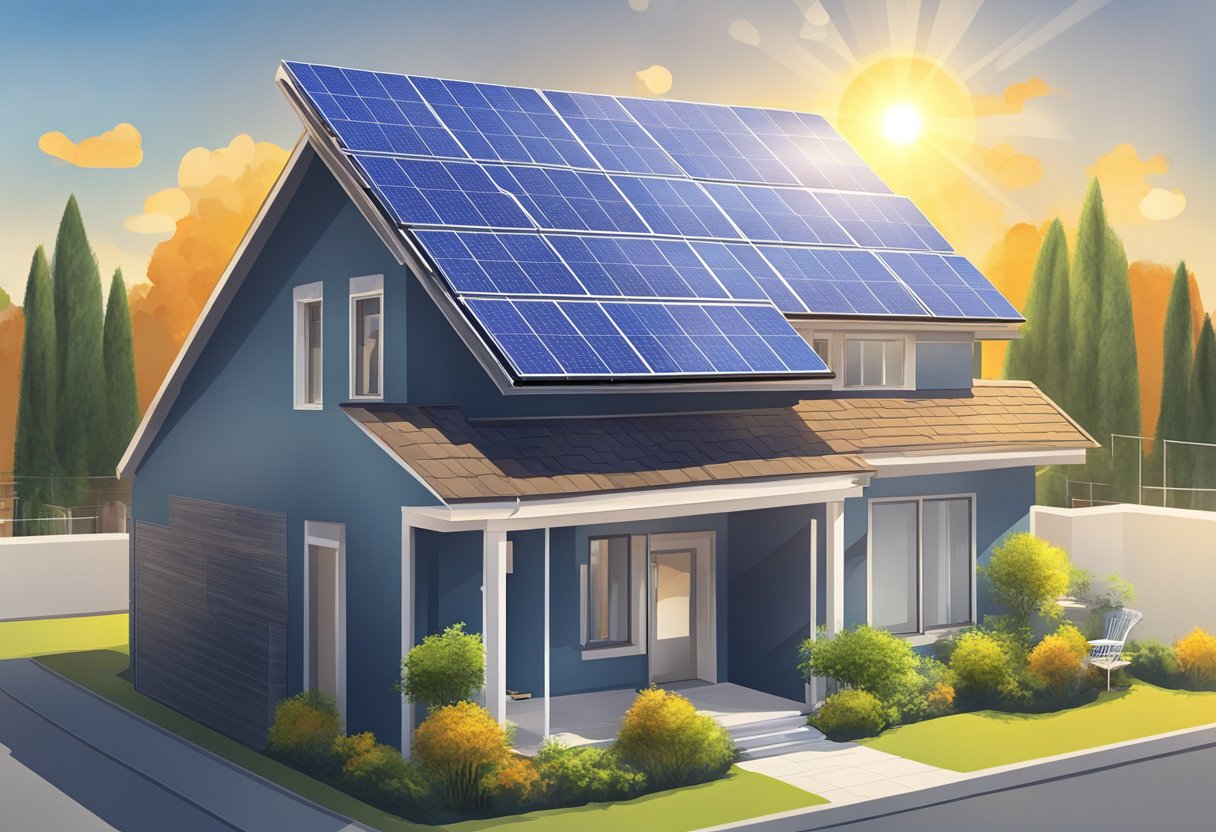
The cost of solar panels can be a significant barrier when considering a switch to clean energy. In this article, we’ll explore the factors that contribute to the high cost of solar and offer insights into making solar more affordable.
Key Takeaways
- Solar panels offer long-term benefits, but initial costs might deter potential users.
- The price of solar panels is influenced by various factors, such as hard and soft costs.
- Understanding these costs and available incentives can yield smarter solar investment decisions.
Average Solar Panel System Cost
Curious about the cost of solar panels? You’re not alone. It’s no secret that solar panels can be expensive.
System size plays a big role in cost. A medium-sized system, about 6 kW, may range from $12,000 to $18,000 before incentives.
In the past 10 years, solar panel costs have gone down a lot. They used to be around $40,000!
Now you have a better idea of the average solar panel system cost. Keep doing your solar research!
Why Are Solar Panels So Expensive?
The high price of solar panels might surprise you at first. In fact, there are several factors that can make them pricey. Let’s dive into the main reasons.
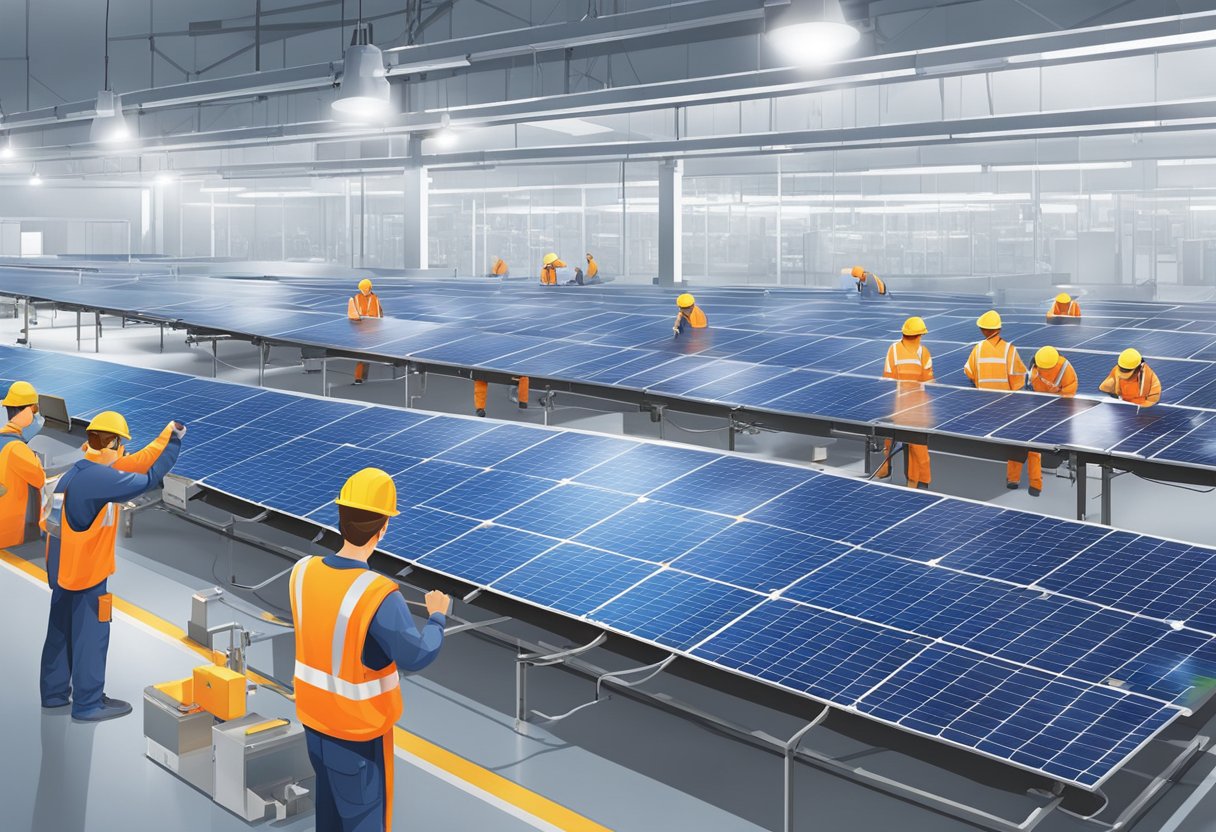
Materials and manufacturing play a big role. Solar panels use high-quality silicon, which comes at a cost. Plus, it needs to be turned into wafers, then cells, and finally panels. Each step adds more to the price.
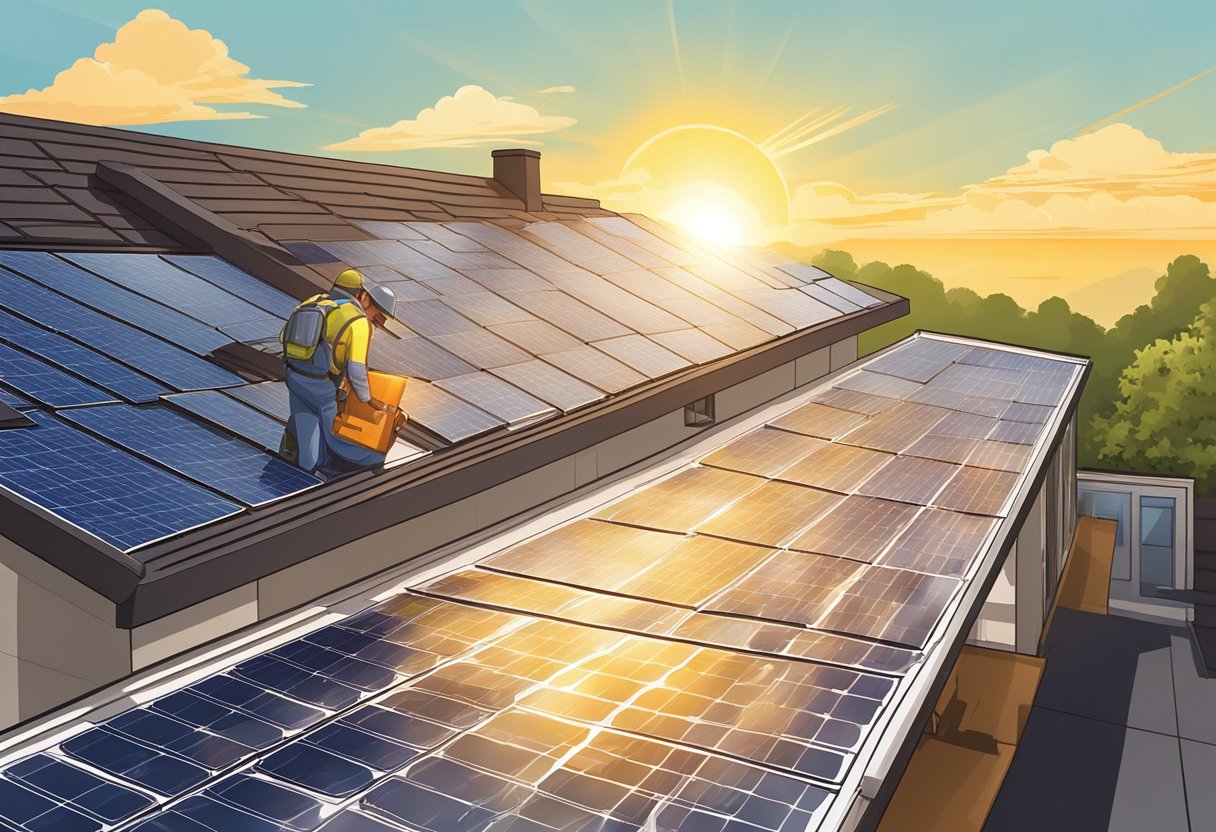
Installation is another big chunk of the cost. To set up the system, you have to pay for labor, permits, and inspections. These soft costs add up and can be even more than the hardware.
But there’s good news too. Over time, the costs have been dropping a lot. Since 2010, installation prices have gone down by 70%. You’ll also find incentives from the government, making solar a more affordable option.
To sum up, solar panels are expensive because of their materials, manufacturing, and installation costs. But as technology advances and prices continue to drop, going solar can be a wise investment for your home or business.
Hard Costs of Solar
Solar panels
Solar panels are a key part of your solar system. Their price depends on quality and efficiency. Top-notch panels cost more, but they also offer better performance. To save costs, choose well-balanced panels offering good performance and value.
Inverters
An inverter changes solar energy into usable power for your home. There are two types: string inverters and microinverters. String inverters are cheaper but less efficient. On the other hand, microinverters are more expensive but offer better performance.
Racking and mounting equipment
Racking and mounting gear holds your solar panels in place. Sturdy materials such as aluminum and stainless steel ensure your panels remain secure. Though these materials can be costly, the long-term value makes them worth the investment.
Wiring
Proper wiring is crucial for your solar system’s success. Selecting the right wiring helps prevent energy loss and fire hazards. To guarantee your system runs smoothly, invest in high-quality wiring. Remember, safety over savings is always a smart move.
Soft Costs of Solar
System design and engineering
Your solar system design and engineering is a key part of the soft costs. Good design can boost your system’s yield.
Permitting, inspection and utility interconnection fees
Next up are permitting, inspection and utility interconnection fees. These costs can vary by region, but they’re key steps in getting your solar panels up and running.
Installation labor
Skilled labor is vital, but installation labor is costly. This price is a big part of your solar investment.
Marketing and operational expenses
Lastly, marketing and operational expenses make solar panels pricey. Solar firms cover their costs, and that’s why your bill may seem high.
Financial Incentives and Savings
Federal and Local Tax Credits and Incentives
There are several financial incentives for investing in solar panels. For example, you can benefit from federal and local tax credits. The federal investment tax credit (ITC) allows you to deduct a portion of your solar costs from your taxes. In some states, such as California, additional rebates and incentives are also available.
Long-term Savings and ROI
Solar panels can help you save on your energy bills. Over time, these savings can justify the initial investment. The payback period varies, but it’s typically between 5-10 years. After that, your solar system starts generating a positive return on investment (ROI).
Net Metering and Its Benefits
Another perk of going solar is net metering. This program allows you to sell excess energy back to the grid, reducing your overall electricity costs. Check your local utility company for their net metering policies and take advantage of additional energy savings.
How to Reduce Solar Installation Costs?
Comparing Quotes and Choosing the Right Installer
Start by getting multiple quotes for solar panels. It’s best to compare at least three to find the best deal. Keep an eye on the total cost, not just panel prices.
DIY Solar Installation
Another option is DIY solar installation. While it can save you cash, be aware it might require more skill.
Scaling Your Solar Project
Start small when it comes to your solar project. Assess your needs, and don’t go overboard.
Are Solar Panels Worth the Cost?
As a homeowner, you may wonder if solar panels are a good investment. Let’s start by looking at the upfront costs.
Solar panels come with a higher initial cost due to manufacturing and installation. Yet, over time, they can save you money on your energy bills.
Now, think about the financial perks. You may be eligible for government incentives like tax credits, making solar more affordable.
But what about your home’s value? Solar panels could increase the worth of your property if you sell in the future.
Remember the green side too. Going solar means reducing your carbon footprint, which helps combat climate change.
Gaining energy independence is another plus. Having your own power source reduces reliance on the grid, especially during outages.
Lastly, consider the sense of pride knowing you’re doing your part to save the environment and shift society towards clean energy.
Given all these aspects, solar panels certainly seem worth the investment. Just remember to factor in your specific situation, such as energy needs and location.
Frequently Asked Questions
How long does it take for solar panels to pay for themselves?
Solar panels can take 5 to 10 years to pay off. This depends on your area, energy usage, and system size.
Do you really save money with solar panels?
Yes, you can save money with solar panels. They lower your energy bills and might offer tax benefits.
How long do solar panels last?
Solar panels last about 25 to 30 years. But don’t worry, their efficiency only drops slightly over time.