

You might be wondering, do solar lights need direct sunlight? Well, you’re in luck because we are here to help you understand this topic. Solar lights are quite popular and efficient; however, they come with some requirements.
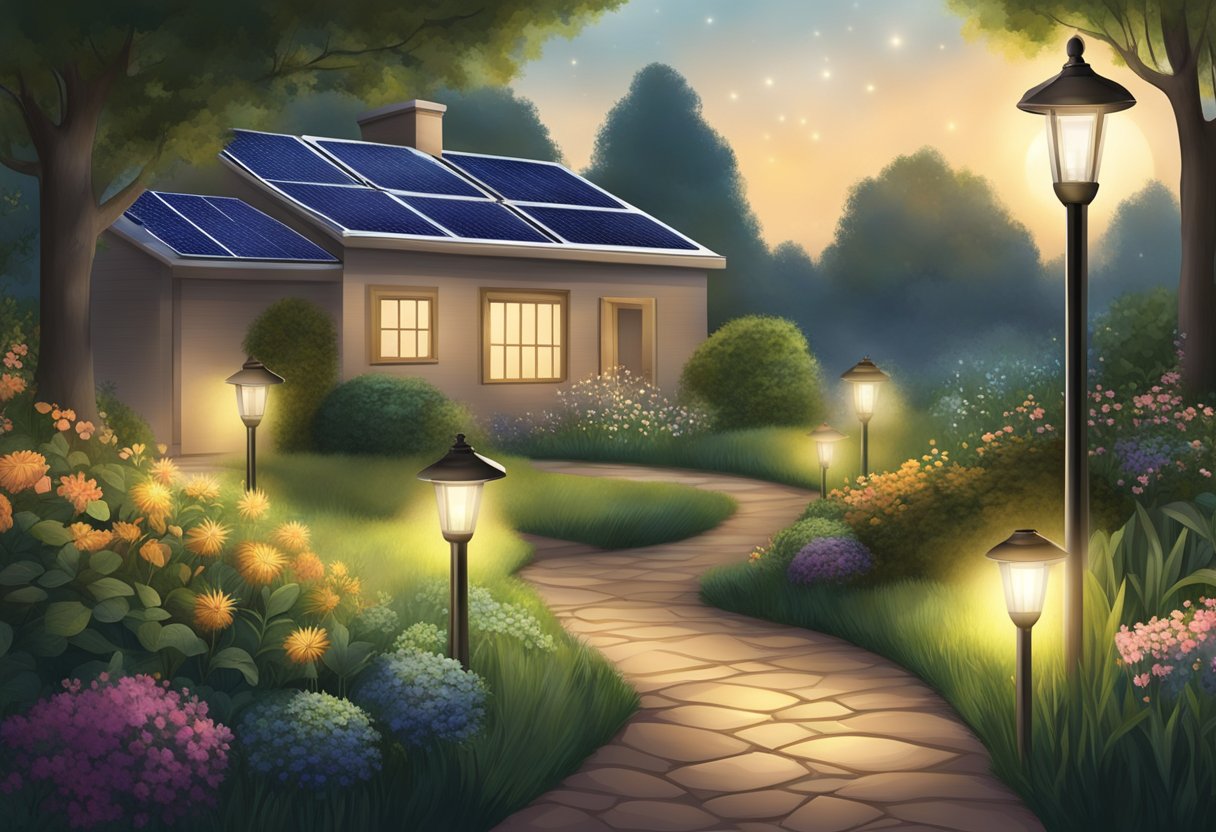
Sunlight is crucial for solar lights, yet not all of them need direct sunlight. Depending on the model and type, solar lights can still work in partial shade. Let’s dive into the details and see how sunlight affects your solar lights.
Key Takeaways
- Solar lights depend on sunlight, but not all require direct sunlight
- Solar lights can work in partial shade, but the efficiency may vary
- Understanding solar light requirements ensures proper placement and function
How Do Solar LED Lights Work?
You might be curious about how solar LED lights work. Don’t worry; we’ve got you covered! In simple terms, solar lights use sunlight to generate electricity, which powers the LED light at night.
First, let’s talk about solar panels. The solar panel is the main component, responsible for absorbing sunlight. It’s made up of many solar cells that work together to convert sunlight into energy.
So how do solar panels do this magic trick? When the sun shines on the panel, the solar cells create Direct Current (DC) electricity. During the day, this electricity charges up a built-in battery. This stored energy is used at night to power your solar light.
One cool feature of solar lights is the light sensor. It detects when it’s dark outside and tells the light to turn on – no need for you to do anything! When daylight returns, the sensor does its job again and turns the light off, allowing the solar panel to charge the battery.
To sum it up, your solar LED light works in this easy cycle:
- Sunlight hits the solar panel
- Solar cells generate electricity
- Electricity charges the battery
- Light sensor detects darkness
- LED light turns on when dark using stored energy
Remember, your solar light will work best with ample sunlight exposure – ideally, 6 hours a day. Now that you’re in the know, explore solar options for your home or business.
Do Solar Lights Need Direct Sunlight to Work?
You might wonder if your solar lights need direct sunlight to work properly. Truth is, they can still charge in cloudy weather or shaded areas. However, their efficiency will be lower.
To get the best performance, it’s ideal to place your solar lights in direct sunlight. This ensures faster and more efficient charging. Keep in mind how the position of the sun changes throughout the year.
In a nutshell, your solar lights don’t need direct sunlight, but it certainly helps. Make sure you optimize their placement to balance aesthetics and function for your home or business.
How Much Sunlight Do Solar Lights Need?
Hey there, you might be wondering if your solar lights need direct sunlight to work. Good news! They don’t always need direct sunlight to charge. But, when they do get direct sunlight, their efficiency is at its peak.
To charge fully, your solar lights ideally need 4-6 hours of direct sunlight. But hey, we don’t always have sunny days, right? On those cloudy days, don’t stress! Your solar lights can still absorb energy, although at a lower efficiency.
So, keep this in mind: the more sunlight your solar panels get, the more efficient they’ll be. Daylight does the job, but direct sunlight gives you the best results. At the end of the day, your solar lights will light up your home or business, rain or shine.
Do Solar Lights Work in Shade?
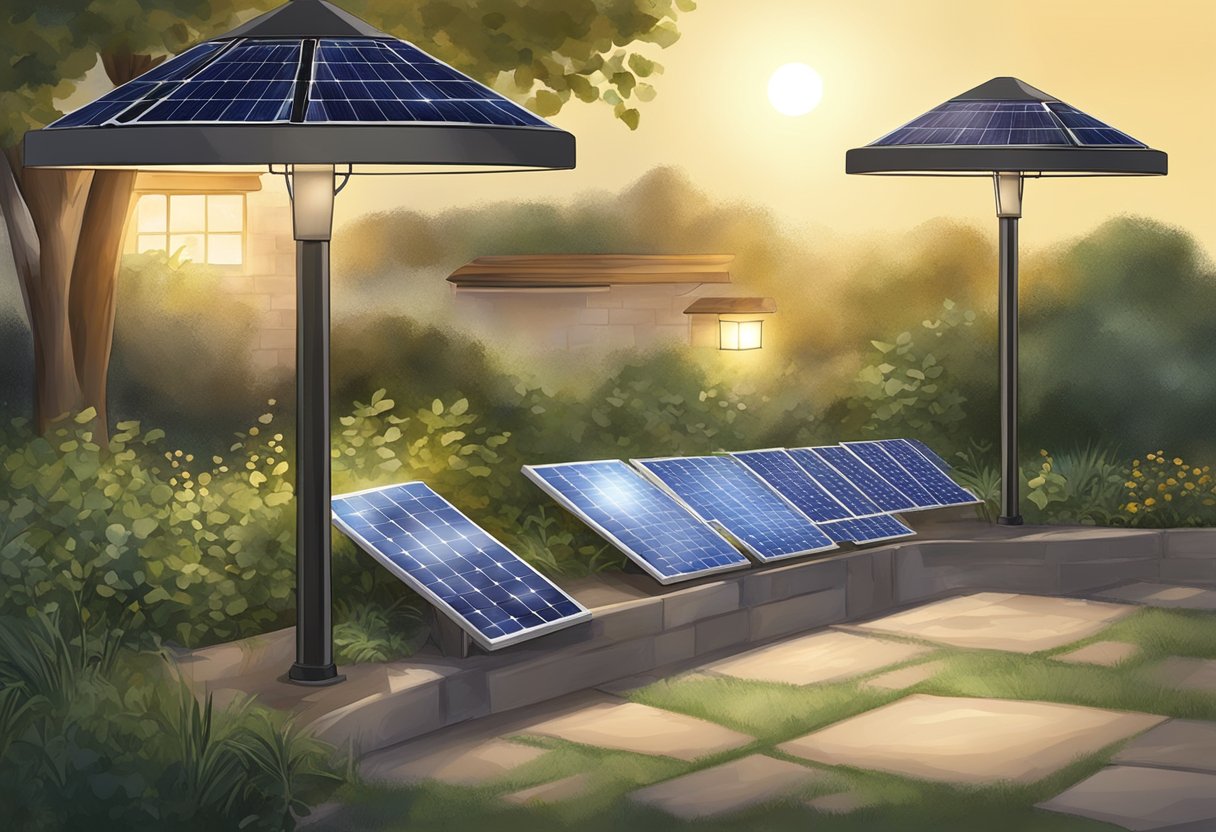
You might be wondering if your solar lights can work in the shade. The good news is that they can, but there are a few factors to keep in mind when setting up your solar lights.
First, think about the intensity of light. Although solar lights prefer direct sunlight, they can still charge with indirect sunlight from cloudy days or shaded areas. Just know that charging efficiency might be lower in these conditions.
Second, pay attention to the duration of exposure. When your solar lights are in an area with less sunlight, they may need a longer time to charge effectively. Photovoltaic cells in the solar lights collect energy from the sun, and the longer they’re exposed to light, the more energy they gather.
Keeping these factors in mind, you can be confident placing solar lights in a variety of outdoor locations. Just give them the best chance to gather sunlight and enjoy their bright performance!
Solar Lights in Direct vs. Indirect Sunlight
Solar lights work in both direct and indirect sunlight. But, how well they work depends on the amount of light they receive. Let’s compare the two:
Direct Sunlight:
- You get the most energy
- Lights charge faster
- Longer hours of night illumination
Indirect Sunlight:
- Still get some energy
- Slower charge time
- Shorter illumination at night
Place your solar lights where they get at least 6 hours of sunlight daily for best results. More sunlight means better performance.
Remember, cloudy days may reduce the energy your lights absorb. Keep that in mind when planning your solar light setup.
Solar Lights Performance in Different Weather Conditions
Handling the Rain
Can your solar lights handle rain? Absolutely! They’re designed to be waterproof and withstand wet conditions. Just ensure they’re properly installed, so water can’t seep in.
In Cloudy Weather
You might think solar lights need nonstop sunshine. But guess what? They can still charge on cloudy days. Expect lower efficiency, though. Make sure they have enough exposure time to keep them running at night.
Dealing with Snow
Snow can be tricky. Solar lights will work if snow isn’t covering the panels. Brush off any snow that accumulates, and they’ll keep charging. During extremely cold weather, performance may drop, so be prepared for that.
Shade and Shadows Impact
Shade and shadows can affect your solar lights’ charging too. While they can still charge in shaded areas, efficiency is lower. Place them where they’ll get the most sunlight. If that’s not possible, just allow extra charging time.
How to Charge Your Solar Lights With Limited Sunlight?
Don’t worry if you’re dealing with limited sunlight. You still have options:
1. Position wisely:
Place your solar lights in an area where they can get the most light during the day. Even on cloudy days, solar lights can still charge but at a slower rate.
2. Clean the panels:
Always keep your solar lights’ panels clean. Dust and dirt can hinder their charging capacity.
3. Higher wattage panels:
Invest in solar panels with a higher wattage. They’re better at converting sunlight into electricity even in shaded areas.
That’s it! You can now enjoy your solar lights even with limited sunlight.
Maximizing Solar Light Performance
You might wonder if your solar lights need direct sunlight to work well. Truth is, they don’t always need it.
Sure, direct sunlight boosts their charge, but even on a cloudy day or in shade, they can still get energy. Their efficiency might drop a bit, yet they’ll work just fine.
To make the most of your solar lights, there are steps you can take. First, position the solar panels in a spot with the best exposure to sunlight, so they can charge for longer periods.
Clean the panels from time to time, as dirt or dust can lower their efficiency. This small task helps ensure they can absorb as much light as possible, even during shades.
Moreover, check the batteries of your solar lights. Replace them once they don’t hold a charge well. With fresh batteries, you can make sure your solar lights perform at their best.
In short, aim to optimize sunlight exposure for your solar lights. A bit of maintenance can also go a long way in improving their performance.
Placement Tips for Optimal Charging
When you install solar lights, finding the right spot is crucial. To maximize charging, aim for areas with direct sunlight. Most solar lights need 4 to 10 hours of sunlight per day.
Follow these steps:
- Seek sunny spots: Place solar lights in clear, sunny areas. Avoid shadows or shade from trees, buildings, or other objects.
- Keep panels clean: Dust or dirt can impact your solar panels. Wipe them gently with a damp cloth to boost efficiency.
- Remove obstacles: Make sure nothing blocks the light. Prune branches, relocate objects, or trim bushes near solar lights.
- Opt for outdoor space: Placing solar lights indoors by a window might not be efficient. Though passing through windows captures some sunlight, outdoor placement provides more energy.
If your home receives limited sunlight, worry not! Solar lights can still perform in partly shaded areas. Just remember, they might not last as long during nighttime.
Remember, finding the right balance between sunlight and shade is key. Go out, test different spots, and enjoy your bright, sustainable lights.
Maintenance Tips for Solar Lights
Cleaning Solar Panels and Lights
Dust and dirt can block sunlight. Gently clean your solar panels and lights using a soft cloth. If needed, wipe with a lightly damp cloth.
Battery Care and Replacement
Over time, batteries in solar lights lose their efficiency. Be sure to replace them every 1-2 years. Regular checks help keep your solar lights shining bright!
FAQs on Solar Light Functionality
Do solar lights need direct sunlight? Good news! They don’t. But the efficiency increases with direct sunlight. Just know, solar lights can still work during overcast weather or with artificial light.
Batteries – a crucial part. The efficiency of solar lights relies on a full charge. Aim for 4-6 hours of direct sunlight. Remember, when it’s cloudy, the charging might be slower. But don’t worry, they’ll still work!
Weather – it matters. In bad weather, your solar lights will still work but might not be as bright. So, give your lights exposure to maximum sunlight for best results. And yes, they can handle a little rain, too!
Follow these tips, and you’ll enjoy bright solar lights even on those cloudy days.
Choosing the Right Solar Lights for Your Needs
Identify Your Lighting Needs
First, think about why you need solar lights. Are they for security, decoration, or both? Knowing this helps narrow down your options.
Types of Solar Lights
There are various types of solar lights, such as pathway lights, wall-mounted lamps, and string lights. Choose the right one for your needs.
Light Brightness and Color
Solar lights come in different brightness levels and colors. Consider how bright and what color would suit your space.
Battery Life and Solar Panel Quality
Longer battery life can ensure your lights work throughout the night. Opt for lights with efficient solar panels for better charging.
Durability and Weather Resistance
Your solar lights need to withstand different weather conditions. Make sure they’re durable and weather resistant.
Installation and Maintenance
Easy installation and low maintenance can save you time and energy. Look for lights that require minimal effort to install and maintain.
Cost vs. Quality
Finally, weigh the cost and quality of the lights. It’s worth investing in high-quality solar lights that will last you longer.
By considering these factors, you’ll choose the best solar lights to suit your needs and enhance your outdoor space.
Frequently Asked Questions
Why do solar lights need direct sunlight?
Solar lights need direct sunlight to charge their batteries efficiently. The more sunlight they get, the longer they’ll shine at night.
Can you put solar lights in a shaded area?
You can, but they might not work as effectively. Solar lights require sunlight to charge, so placing them in shady areas can result in lower battery life.
Can outdoor solar lights get wet?
Yes, outdoor solar lights are designed to handle rain and moisture. Just make sure the lights are labeled for outdoor use.
Can I leave solar lights out in winter?
It’s preferred to store solar lights indoors during winter to protect them from harsh weather. However, some models are built to withstand cold temperatures.
Are solar lights worth the money?
Solar lights are a cost-effective and eco-friendly option for outdoor lighting. They may have a higher initial cost, but they save you money on energy bills in the long run.
Conclusion
Solar lights are a fantastic addition to your home or business, offering energy savings and reducing your carbon footprint. But do these lights require direct sunlight? The answer is not as straightforward as it may seem. While direct sunlight is great for charging solar lights, it is not always necessary for them to function properly. Solar lights can still work in cloudy or shaded areas, although the charging capacity may be reduced.