

You might be wondering, how does a solar generator work? Well, you’re in the right place. Solar generators are a great alternative to traditional gas generators. They are reliable, eco-friendly, and perfect for powering home appliances or businesses during an outage.
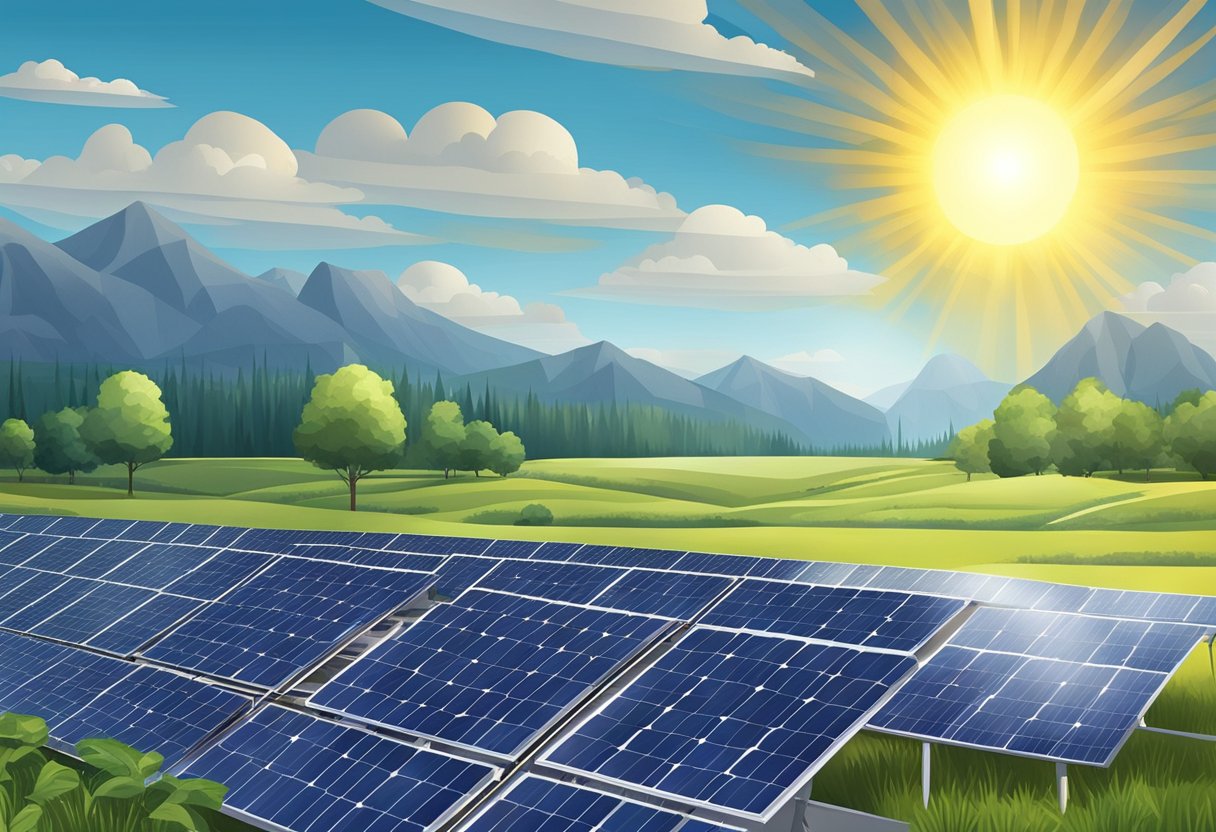
In simple terms, a solar generator captures sunlight through solar panels and converts it into electricity. This power is then stored in a battery for later use. When you need it, the stored energy runs an inverter that converts the power into an AC voltage compatible with your devices.
Now, let’s check out some key points to remember.
Key Takeaways
- Solar generators capture sunlight and convert it into electricity
- They store this energy in a battery for later use
- These generators are an eco-friendly alternative to gas generators
What Is a Solar Generator?
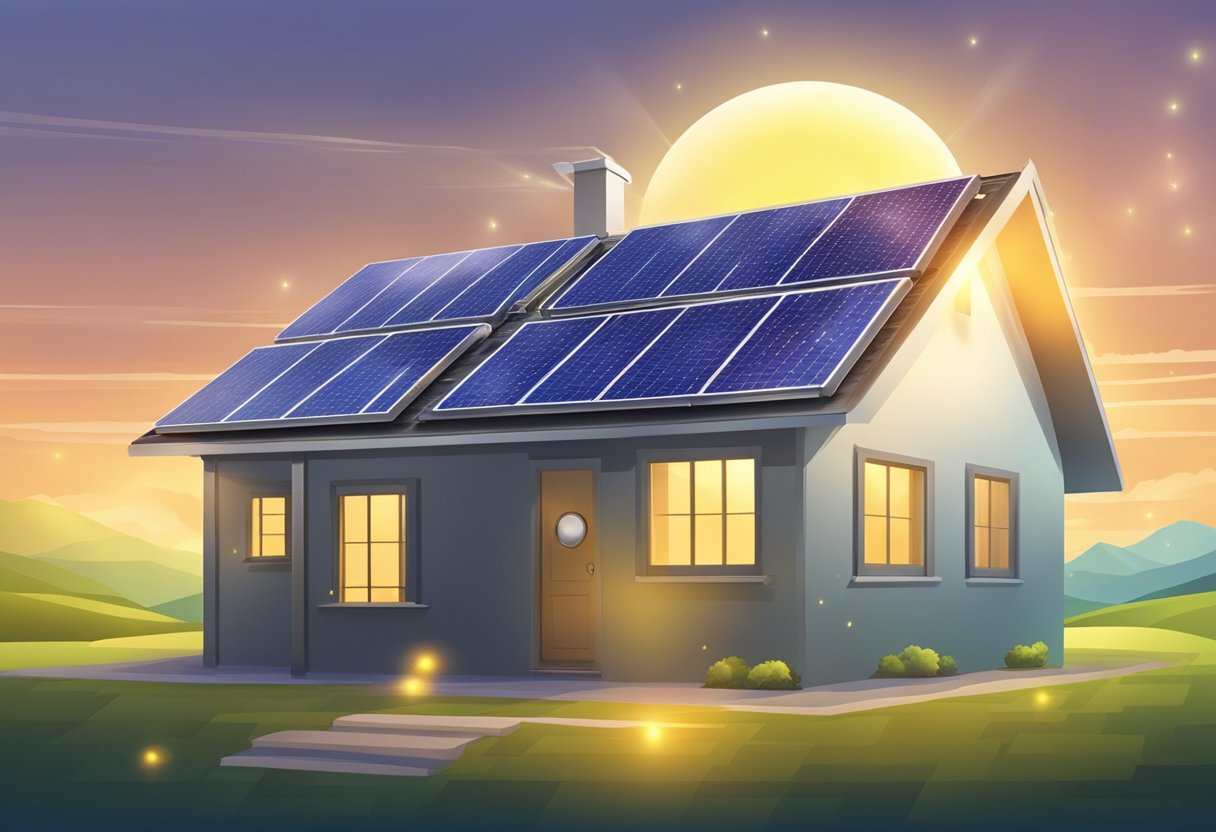
A solar generator is your go-to device for clean energy. It captures sunlight and converts it into electricity. You might wonder, how? Well, let me tell you.
First, solar panels absorb the sun’s energy. They are essential for collecting the power you need.
Next, the energy gets stored in a battery. These are often deep-cycle batteries, built for constant use. Your generator’s battery ensures you have electricity whenever you need it.
Finally, an inverter transforms the stored energy into usable power. This way, you can access electricity without any hassle.
How Does a Solar Generator Work?
You might be curious about solar generators and how they work. Good news! They’re pretty simple. First, solar panels capture sunlight and turn it into direct current (DC) electricity.
Next, a charge controller steps in. This part ensures the right flow of electricity to a battery. No overcharging, just smooth sailing.
Now, meet the battery. It’s a deep-cycle kind, meaning it can handle repeated charging and discharging. As a result, it’s great in solar generators.
The last piece of the puzzle is the inverter. It converts the DC electricity to AC power. That way, you can power your devices with ease.
There you have it: solar panels, charge controller, battery, and inverter, all working together to bring you clean, green energy.
Difference Between Solar Generators and Gas Generators
When comparing solar and gas generators, let’s consider fuel costs. Solar generators are more cost-effective, as you don’t pay for fuel.
Solar generators are eco-friendly. They use sunlight, while gas generators emit harmful fumes. Your choice affects the environment.
For noise levels, solar generators are quieter. Gas generators can be loud, making solar a better option for a comfortable atmosphere.
Here’s a quick comparison:
| Solar Generators | Gas Generators | |
|---|---|---|
| Fuel | Sunlight | Gasoline |
| Eco-friendly | Yes | No |
| Noise level | Low | High |
When you think of power output, solar generators depend on sunlight. Gas generators, however, offer on-demand power.
In conclusion, solar generators save money on fuel and benefit the environment, while gas generators provide consistent power but create noise and pollution.
Types of Solar Generators
When exploring solar generators, you’ll find three main types: portable, small home systems, and large home systems. Let’s look at each type and what they offer.
Portable Solar Generators
These generators are great for on-the-go power needs. They’re small, lightweight, and easy to carry. These units are perfect for camping trips, outdoor events, or as an emergency backup.
Small Home Systems
For modest energy needs, small home systems are ideal. They can power a few essential appliances like your fridge, lights, and phone chargers. These systems are also good for remote areas with no access to electricity.
Large Home Systems
If you want to power your entire home or business, large home systems are the way to go. These systems can handle larger energy demands and can reduce or even eliminate your reliance on grid power.
Now you know the different types of solar generators. You can decide which type suits your needs best. Remember, always do your research to find the perfect generator for your situation.
Why Do You Need a Solar Generator?
Convenience: A solar generator offers portable power. Easy to use at home, in an RV, or while camping.
Eco-friendly: Solar power is clean energy. You help the environment and reduce your carbon footprint.
Off-grid solution: Access to power during emergencies. No need to rely on traditional power sources.
Quiet and low maintenance: Unlike gas generators, solar generators are quiet and require minimal upkeep.
Cost-effective: Reduce your energy costs in the long run. Solar generators save you money on electric bills.
Now that you know the benefits, it’s time to explore your options. Choose the best solar generator for you!
Why Choose a Portable Solar Generator for Backup Power?
A portable solar generator can be a smart choice for backup power. Here’s why.
Eco-friendly energy
Solar generators use the sun’s power to create electricity. No fuel needed! This means zero emissions and a cleaner air for you.
Quiet operation
Gone are the days of noisy generators. Solar generators run silently. You can have peace even during power outages.
Low maintenance
With fewer moving parts, less can go wrong. Solar generators have minimal maintenance. So, you save time and money.
Easy setup
You can set up a solar generator in no time. All you need is some sun. Simply plug and play!
These perks make portable solar generators a top pick for backup power. Give it a try!
How to Use Solar Generators During a Power Outage?
Step 1: Set up your solar generator
First, you need to set up your solar generator. Place the solar panels in a sunny spot, then connect them to the generator.
Step 2: Charge the battery
Ensure the battery is fully charged. It stores energy from the sun until it’s needed. Keep in mind, the charging time matters.
Step 3: Power your devices
Once charged, the generator can supply electricity. Most of them have built-in inverters to convert DC power to AC for home appliances:
- Fridge
- Lights
- TV
- Phone chargers
Step 4: Monitor and maintain
Keep an eye on the battery capacity to ensure your generator runs efficiently. Regularly clean the solar panels for optimum performance.
And that’s how you use a solar generator during a power outage. Enjoy clean and renewable energy from the sun!
Benefits of Using a Solar Generator
Are you looking for a clean energy source? A solar generator might be the answer. Let’s talk about its benefits:
Eco-friendly
These generators are a green choice. They use solar power, which means no harmful emissions. You’ll be contributing to a better planet.
Quiet operation
A big plus for solar generators is their quietness. They don’t have noisy engines, making them perfect for places like homes, businesses, or hospitals.
Low maintenance
You won’t spend a lot of time or money on maintenance. Solar generators have fewer parts to worry about. Keep the panels clean, and you’re good to go.
Off-grid energy
Solar generators can power your devices off the grid. This makes them ideal for outdoor trips or as a backup plan during outages.
Now you know why solar generators are a smart choice. Consider one for your energy needs.
How to Choose a Solar Generator?
When looking for a solar generator, focus on these three key aspects:
- Power output: How much energy do you need for your devices and appliances?
- Battery capacity: Can it store enough energy for when you need it?
- Charging time: How fast will it recharge from the sun?
Keep these factors in mind to enhance your solar experience.
Power Output
Choose a generator that can handle all the devices you plan to power. Are you a camper or a full-time RVer? Identify the devices you’ll use, such as lights, fans, laptops, and more. Then, check their power needs, and add them up to know the generator’s power capacity.
Battery Capacity
Battery capacity is vital because it dictates how long your generator runs when fully charged. For a worry-free experience, pick a generator with enough capacity to cover your energy usage during the night. Keep this factor in mind when selecting your solar generator.
Charging Time
Charging time matters as it affects how fast your generator recharges. Even on sunny days, your generator charges at varying rates. Opt for a generator that can top up efficiently, without needing all day to charge.
Remember, weigh your needs and expectations while choosing the perfect solar generator. Make informed decisions and ensure a clean, green energy supply for your home or business.
Installation and Maintenance of Solar Generators
Getting a solar generator? First, choose the right spot. Make sure it gets ample sunlight.
Next, install the solar panels. It’s not that hard if you follow the instructions. But if you’re unsure, hire a pro. Now, connect the solar panels, charge controller, battery, and inverter. Voilà! Your solar generator’s ready.
But remember to maintain it. Clean solar panels once in a while. Dust can block sunlight! Check the battery, too. Replace it when needed.
To prevent issues, monitor the system. Keep an eye on the charge controller. It helps avoid overcharging.
To sum it up, install your solar generator properly and maintain it. This way, it will serve you well for years.
Should You Buy a Solar Generator?
So, you’re thinking about solar generators, huh? Let’s dive into some pros and cons to help you decide.
Pros:
- Eco-friendly: Solar generators use clean, renewable energy, cutting your carbon footprint.
- Quiet: Unlike gas generators, they run silently.
- Low maintenance: With fewer moving parts, they require less upkeep.
Cons:
- Initial cost: Solar generators can cost more upfront but may save you money over time.
- Weather dependence: They may not work as well on cloudy or rainy days.
- Limited power: Their power output might not be enough for heavy loads.
Take a look at your power needs, budget, and location. If solar generators tick most of your boxes, they could be a great option for you. Don’t forget to research the ideal solar generator model for your needs. Happy shopping!
Frequently Asked Questions
Can a solar generator run a whole house?
Yes, a solar generator can power your entire home. But remember, it depends on the generator’s capacity and your home’s energy needs.
What are the disadvantages of solar generators?
Solar generators have some downsides. They can be expensive, less efficient in cloudy weather, and take time to recharge.
How long can a solar-powered generator run?
It depends on its capacity. Some can run for many hours to even days, while others may only last a short time.
What can I power with a solar generator?
You can power appliances like fridges, lights, computers, and more. However, it depends on the generator’s capacity and device energy needs.
How long does it take to charge a solar generator?
Charging times vary. Typically, it takes several hours to charge a solar generator. Cloudy weather may increase this time.
How long will a solar generator last during power outages?
A solar generator can last several days during a power outage. But it depends on its capacity and the energy needed.
How much does a solar generator cost?
Solar generators come in various price ranges, from a few hundred to several thousand dollars. The price depends on capacity, features, and quality.
Is it worth buying a portable solar generator?
If you need reliable off-grid power, then yes, they’re worth buying. They’re portable, eco-friendly, and great during emergencies.