

Have you ever wondered, “What is a solar inverter?” If you’re thinking about using solar power at home or for your business, it’s important to know about this key piece of equipment. A solar inverter converts the direct current (DC) electricity that solar panels produce into the alternating current (AC) electricity that most of our appliances need.

Understanding what a solar inverter is and how it works can help you make better decisions about using solar energy. Let’s take a closer look at solar inverters and how they help make solar power an efficient and eco-friendly energy option.
Key Takeaways
- Solar inverters play a vital role in converting DC electricity generated by solar panels to AC electricity.
- An effective solar inverter enables the use of solar energy in households and businesses.
- You’ll gain a deeper understanding of solar inverters to make better decisions for your energy needs.
What is a Solar Inverter?
A solar inverter is an important part of your solar energy system. It’s responsible for converting the direct current (DC) power generated by your solar panels into usable alternating current (AC) power, which powers your home or business.
Generally, solar systems have a solar inverter, PV panels, a battery, and a rack to hold everything in place. This entire setup works seamlessly to harness solar power and provide a sustainable energy source for your property.
The main purpose of a solar inverter is to serve as the medium between your solar panels and your electrical appliances. Solar panels produce DC power which is not suitable for most household devices. This is where the solar inverter steps in. It transforms the DC power from the panels into 240-volt AC power, which works well with most appliances.
Various components are involved in the solar inverter’s function. For instance, after channelling the DC power, the inverter uses transformers to reduce the voltage and switch to AC. This transformation occurs in a few simple steps, ensuring optimal performance and efficiency of your solar energy system.
How Does a Solar Inverter Work?
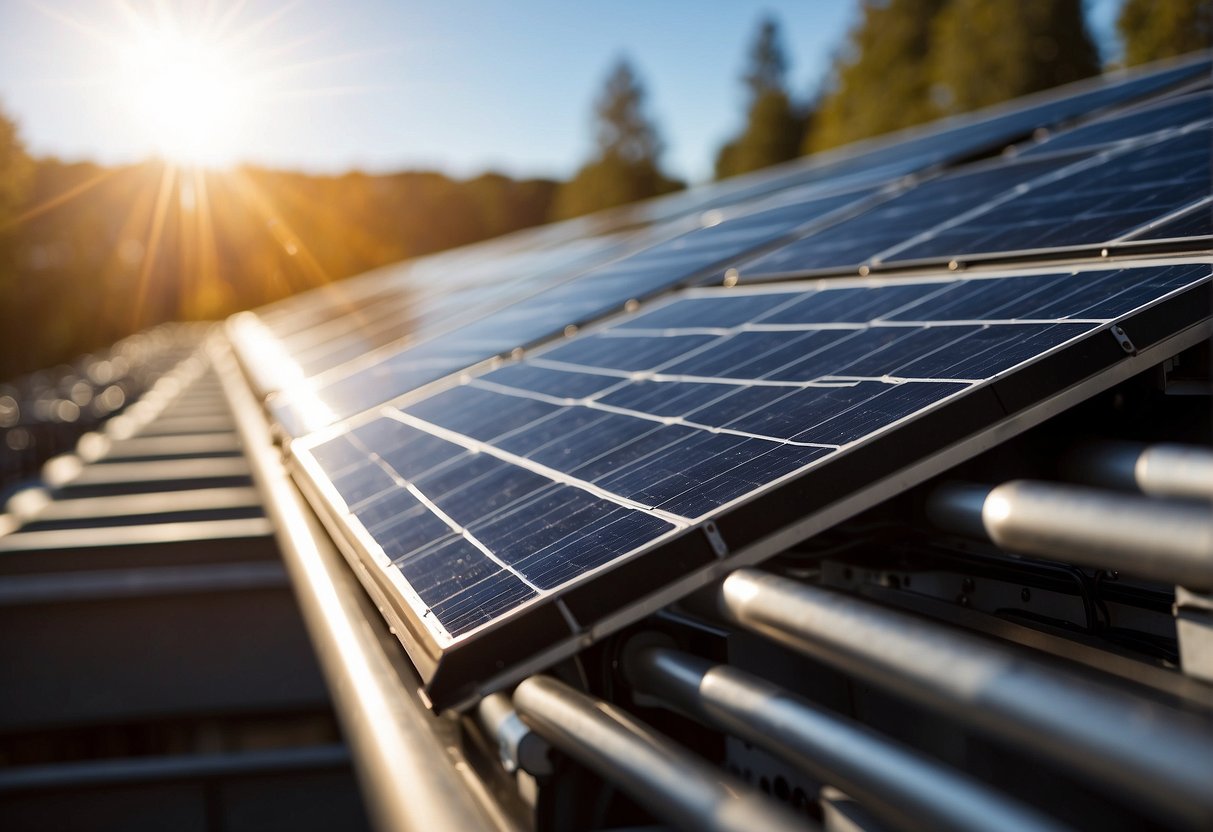
You might already know about solar panels, the devices that capture sunlight on rooftops. But what about the solar inverter? It’s time to learn about its important role in your solar energy system.
Let’s break down the types of power: Direct Current (DC) and Alternating Current (AC). Solar panels produce DC power, but your home runs on AC power. This is where the solar inverter comes in.
Its main job is to convert DC power from the solar panels into AC power. This process might sound complicated, but the inverter handles it smoothly. Solar inverters are crucial for making the power from solar panels useful. They work together with the solar panels and the electrical grid to ensure that energy flows correctly.
Different Types of Solar Inverters
Choosing the right solar inverter is crucial. Let’s explore the different types and find the best fit for you.
String Inverters
String inverters link many solar panels in a series. They’re a smart choice for home and business setups. With lower costs and easy maintenance, they’re the go-to option for many installations.
Microinverters
Microinverters connect to each solar panel. This means better monitoring and performance of every panel. If one panel faces shading or debris, the others still work at full capacity.
Power Optimizers
Next up, power optimizers help each panel perform its best. They tweak the performance of each panel and use a central inverter. That way, your system won’t miss a beat.
Hybrid Inverter
Finally, we have hybrid inverters. These multitaskers manage both solar energy and battery storage. They’re versatile – perfect for future-proofing your solar investment.
Benefits of a Solar Inverter
Solar inverters are key components of any solar power system. They offer several benefits, such as enhancing efficiency, improving monitoring capabilities, and facilitating interaction with the power grid. Let’s explore these advantages in more detail.
Increased Energy Efficiency
Solar inverters play a key role in converting DC power from solar panels to AC power for your home. This process maximizes the efficiency of solar energy conversion and usage, allowing you to get the most out of your solar system.
Monitoring and Maintenance Advantages
With a solar inverter, keeping track of your system’s performance is a breeze. Monitoring energy production helps you identify potential issues and address them promptly, ensuring easier maintenance and optimal performance.
Grid Interaction and Battery Storage Compatibility
Inverters facilitate interaction with the electrical grid, allowing you to use net metering. They also enable integration with battery storage systems, giving you more control over your energy management and potentially reducing your energy costs.
How Long Do Solar Inverters Last?
When you opt for solar power, it’s natural to wonder about the lifespan of your key components. One vital part in your system is the solar inverter. Let’s dive into how long they tend to last and how you can make them last even longer.
Typical Lifespan
Most solar inverters have a life expectancy of 10 to 15 years. It’s good to know that during this time, they work hard to turn the DC power from your solar panels into AC power, which your home or business can use. But keep in mind that it’s not a one-size-fits-all answer.
Factors Affecting Longevity
Various factors can impact how long your solar inverter lasts. The brand, quality, and even the location of your inverter play a role in its lifespan. Top-notch models might last longer than their lower-quality counterparts, and devices that stay cool in shady spots can outlive those in hot areas.
Maintenance Practices
Taking care of your solar inverter is key to extending its life. Regular check-ups can spot issues early on and help prevent costly repairs. Keeping the area clean and free from debris, as well as monitoring the device’s performance, can also make a difference in its longevity.
What Size Solar Inverter Do You Need for Solar Panels?
When picking a solar inverter, it’s important to get the right size. Let’s find out how to do that.
First, base your choice on your solar panel system’s capacity and your energy needs. If your solar panels have a total power output of 5,000 watts, look for an inverter close to that value.
It’s also crucial to match the inverter size with your system’s total power output. This ensures optimal performance and prevents any inefficiencies.
When choosing an inverter, consider factors like future expansion plans. If you might add more solar panels later, opt for an inverter with extra capacity.
Correct inverter sizing is vital for the health of your solar panel system. It prevents unwanted voltage drops and ensures the best energy conversion possible.
By following these tips, you’ll find the perfect inverter size for your solar panels and enjoy all the renewable energy benefits.
How Much Does a Solar Inverter Cost?
The cost of a solar inverter depends on various factors, such as type, installation, and long-term savings. Let’s explore these factors more in depth.
There are different types of solar inverters available, such as string inverters and microinverters. String inverters are the most common and usually more affordable option. Microinverters, on the other hand, are a bit more expensive but can offer improved efficiency.
Now, let’s discuss installation. A professional installer will ensure proper setup, but this comes at a cost. However, it’s important to remember that a well-installed solar inverter will save you money over time with lower energy bills.
It’s time for the big question: what’s the general cost range for a solar inverter? Well, the price can vary based on the factors we’ve discussed, but you can expect to pay somewhere between $1,000 to $2,000.
Overall, the cost of a solar inverter depends on the type, installation, and potential long-term savings. Investing in a solar inverter can be a smart move for your home or business, as it can lead to energy savings and a greener future.
Choosing the Right Inverter for Your Energy Needs
When it’s time to pick a solar inverter, several factors come into play. Think about your system size, energy needs, budget, and specific site conditions. An inverter’s duty is to convert the DC electricity produced by your solar panels into usable AC electricity for your home or business. So, choosing the right one is crucial. Let’s dive into how you can make the best decision for your solar system.
First, consider your system size and energy needs. Analyze your past electricity consumption to determine the size of your solar system. Keep in mind that larger systems may need more than one inverter or a higher capacity inverter to handle the power generated.
Next, think about your budget. While it’s important to choose a quality inverter, there’s no need to overspend. There are reliable inverters available at various price points, so find one that fits within your budget without sacrificing essential features. Remember, investing in a more efficient inverter can save you money in the long run by reducing energy losses.
Now, let’s talk about your specific site conditions. Are you working with limited space? Does your solar system have panels facing different directions? These factors can influence your inverter choice. For instance, microinverters might be a better fit for a system with panels facing different directions, while string inverters are more cost-effective for less complex systems.
Moreover, it’s essential to consider future energy needs and potential system expansions. Is there a possibility that your energy consumption will increase in the next few years? Plan for this by choosing an inverter that can handle a bigger system if needed. It’s better to be prepared now than needing an expensive upgrade later.
Finally, remember that a personalized recommendation is invaluable. Consult with Sunsoaked Solar for expert advice on the best inverter for your solar system. Their knowledgeable team will help you make an informed decision that suits your specific energy needs.
By considering all these factors, you’ll be well on your way to choosing the right inverter for your solar system. Equip yourself with this knowledge and make a smart choice for a more sustainable and efficient future.
Frequently Asked Questions
Can solar panels work without an inverter?
No, solar panels can’t power your home without an inverter. Solar panels generate DC electricity, but most household appliances and the grid use AC electricity. Without an inverter, the DC electricity from solar panels can’t be directly used for most applications, which limits the functionality of your solar power system.
What is the difference between a solar converter and a solar inverter?
The terms “solar converter” and “solar inverter” are often used interchangeably. However, a solar converter refers to any device that changes the form of energy, while a solar inverter specifically converts DC electricity from solar panels into AC electricity for home use.
What is the lifespan of a solar inverter?
Solar inverters typically last 10-15 years, depending on factors such as the quality of the inverter, installation conditions, and maintenance practices. Regular maintenance is crucial for extending the inverter’s lifespan.
Can a solar inverter work during a power outage?
Most standard solar inverters do not operate during a power outage for safety reasons, unless you have a battery storage system paired with them. Hybrid inverters with battery backup can provide power during outages, ensuring continuous electricity supply for your home.