

Are you thinking about tiny house living? One key factor to consider is how to power your small space. Solar panels for tiny houses can be an excellent way to meet your energy needs.
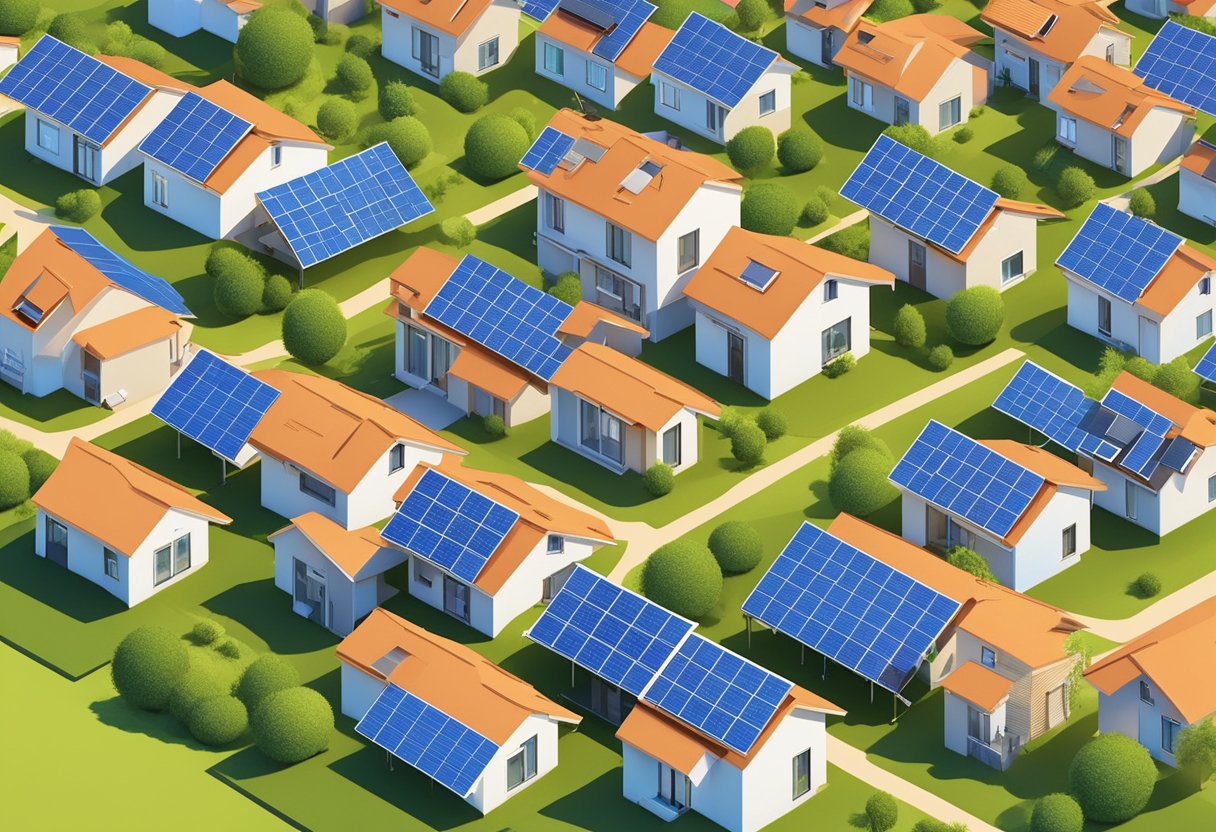
Going off-grid with solar power has some appealing benefits. Curious about the challenges? Don’t worry, we have you covered.
Key Takeaways
- Solar panels offer a sustainable energy solution for tiny homes
- Weigh the pros and cons of solar generators vs. solar panels
- Assess your energy needs to choose the right system for your tiny house
Why Choose Solar for Tiny Houses?
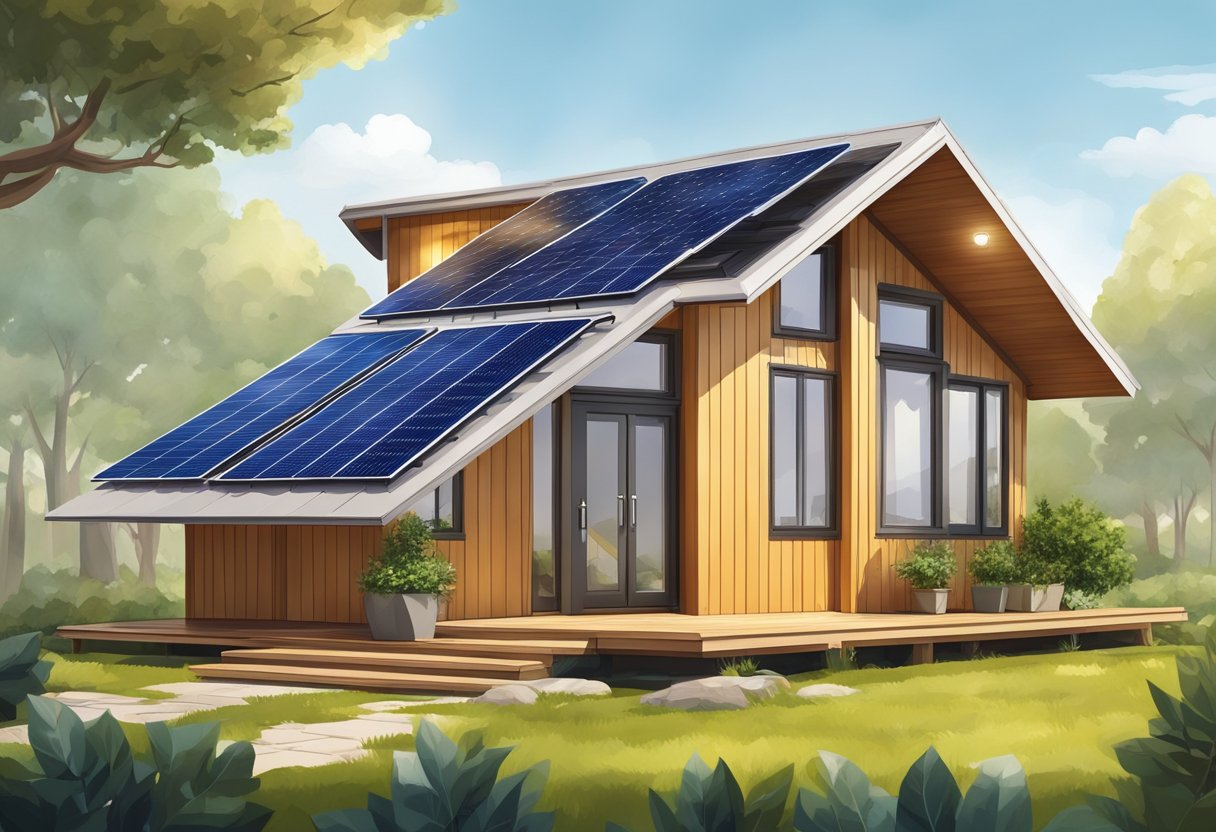
Choosing solar panels for your tiny house has major perks. First, it’s a super renewable energy source. You’ll be using the sun’s power to bring electricity to your home. Neat, right?
Solar energy also means a smaller carbon footprint. By going solar, you’re reducing the environmental impact your tiny home has. You’ll be doing your part in saving the earth while enjoying comfy living.
Let’s discuss costs. Solar panels are known to slash electric bills. Tiny homes already have lower bills, but solar panels could help to wipe out most, if not all, of your electricity charges. Imagine the savings!
Here are the top 3 benefits you need to remember:
- Renewable energy source: Sunlight is free and abundant. Solar panels turn it into useful energy for your tiny house.
- Lower environmental impact: Using solar panels reduces your carbon footprint, promoting sustainable living.
- Save on electricity costs: By capturing free solar energy, you can virtually eliminate your monthly electric bill.
Now, you see why solar panels make sense for tiny houses. They’re an eco-friendly and cost-effective choice. So, go ahead and harness the sun’s power for your tiny home.
The Benefits of Going Off-Grid with Solar Power
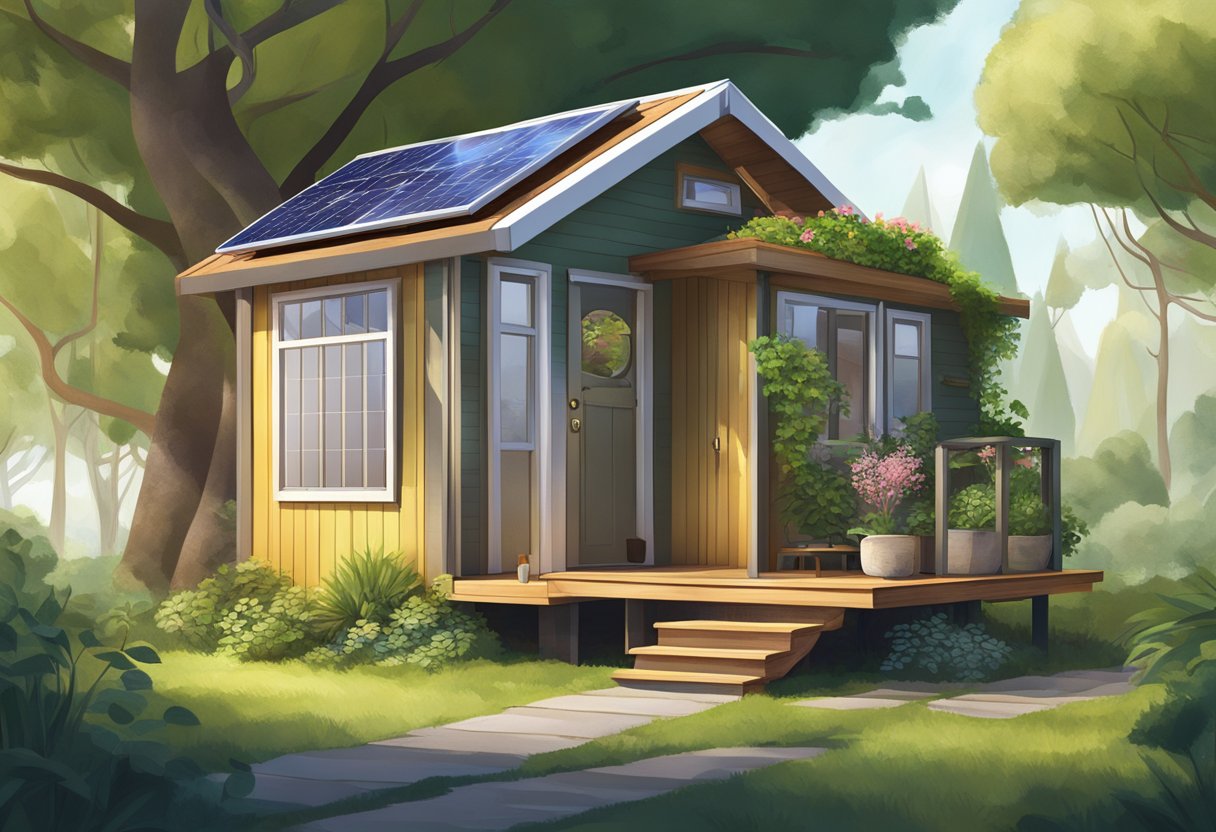
So, you’re considering solar power for your tiny house. Great choice! Let’s dig into the benefits.
First off, cut energy costs. With solar panels, you’ll slash your electric bills, making tiny house living even more affordable. Some folks even eliminate their electricity charges altogether.
Next, reduce your carbon footprint. By using solar energy, you help lower greenhouse gas emissions. Mother Nature will thank you.
Here’s a neat perk: self-sufficiency. By going off-grid, you rely less on utility companies. Independence feels good.
Finally, there are low maintenance costs. Solar panels have a long lifespan and require minimal upkeep. It’s a hassle-free investment.
Grab your solar panel starter kit now and enjoy the power of the sun!
Solar Generators vs. Solar Panels: What’s Best for Tiny Homes?
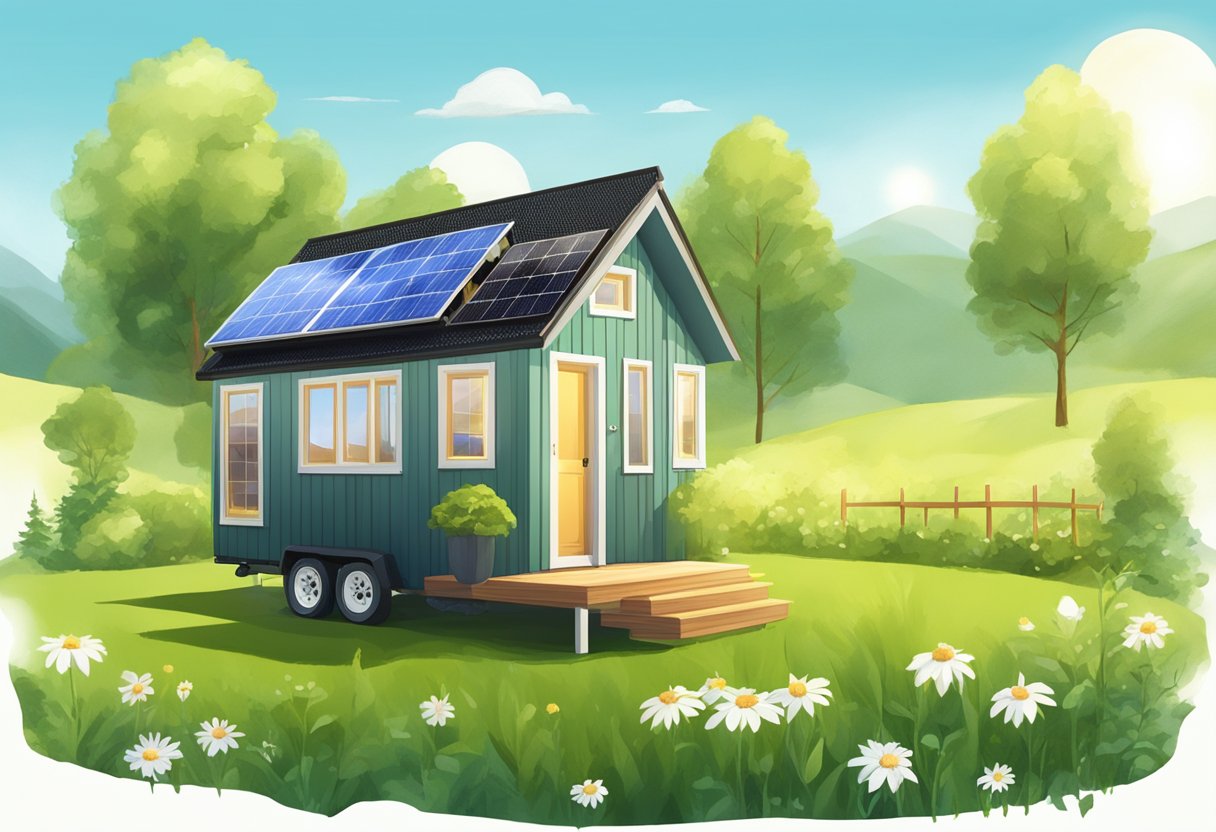
So you’ve got a tiny home and want to go solar. Let’s compare solar generators and solar panels!
First, let’s talk about solar generators. These are portable, easy to set up, and great for emergencies. However, they may be less efficient than solar panels because of the energy conversion and storage required. For a better understanding, check out this guide on solar generators.
Next up, solar panels. They convert sunlight directly into power. Plus, they’re typically more efficient and last longer. But, installation is more complex, and they’re less portable.
Pros of Solar Generators:
- Portable
- Easy setup
- Great for emergencies
Pros of Solar Panels:
- Direct solar power conversion
- Higher efficiency
- Long-lasting
In the end, your choice depends on your needs. Going for portability and ease? Try solar generators. If you prefer long-term efficiency, solar panels are your best bet. Whichever route you choose, enjoy the benefits of solar energy for your tiny home!
How Many Solar Panels Do You Need to Run a Tiny House?
So, you want to power your tiny house with solar panels! Before you start, it’s important to know how many panels you’ll need.
First, calculate your daily energy usage in watt-hours (Wh). Add up the wattage of all your appliances, and factor in their daily use time. For example:
- Fridge: 150W, used 24 hours a day
- LED lights: 10W, used 4 hours a day
Total usage: (150 x 24) + (10 x 4) = 3,640Wh
Now, consider the sunlight hours in your area. In this example, let’s say you get 5 hours of sunlight per day. To find out how many panels you need, divide your total watt-hours by sunlight hours:
3,640Wh ÷ 5 hours = 728W
You’ll need 728W of solar panels to power your tiny house. Solar panels are commonly found in 100W, 300W, or 400W options. To find the number of panels:
- 100W: 728W ÷ 100W = 7.28 panels (round up to 8)
- 300W: 728W ÷ 300W = 2.43 panels (round up to 3)
- 400W: 728W ÷ 400W = 1.82 panels (round up to 2)
Based on this data, you could use:
- Eight 100W panels
- Three 300W panels
- Two 400W panels
Remember to adjust your calculations based on your unique energy needs, panel efficiency, and sunlight hours. The average tiny house typically requires eight 400W panels. Good luck designing your solar system!
Types of Solar Panel Systems for Tiny Houses
When considering solar panels for your tiny house, there are two main types to choose from. Let’s explore both options.
Grid-Tied Systems
A grid-tied system connects to the local power grid. This setup lets you use solar energy when the sun is shining and rely on the grid at night or on cloudy days. Grid-tied systems are usually cheaper, but keep in mind that you’ll still have to pay a small fee for grid access.
Pros:
- Lower upfront cost
- Reliable power supply
- No need for battery storage
Cons:
- Monthly grid fee
- No power during grid outages
Off-Grid Systems
An off-grid system doesn’t rely on the local power grid. Instead, it stores energy in a battery bank for later use. This means that off-grid systems are more expensive due to the cost of batteries. However, they can provide complete energy independence.
Pros:
- Fully self-sufficient
- No grid fee
- Energy available during grid outages
Cons:
- Higher upfront cost
- Requires battery storage
- Regular battery maintenance
To sum it up, the right choice depends on your needs and budget. Grid-tied systems offer lower costs and easy access to energy, while off-grid systems give you total energy independence at a higher cost.
Understanding Your Energy Needs in a Tiny House
To start with solar, first assess your tiny house’s power needs. List your devices and appliances, then find out how much power each one uses. This helps you estimate the total energy needs. A helpful resource is this energy consumption calculator.
Figuring out your energy usage helps in selecting the right size solar panel system.Keep in mind that tiny houses use far less energy than regular homes. In fact, eight 400-watt panels usually suffice for most tiny house setups.
The next choice is to go completely off-grid or tie into the local power grid. With an off-grid system, you rely solely on solar panels and battery storage, meaning no energy bills. Ensure your panels receive enough direct sunlight to maximize energy production.
In summary, know your energy needs, choose the right solar panel size, and decide whether you want to be off-grid or grid-tied. With this knowledge, you’ll be one step closer to making your tiny house solar-powered.
Choosing the Right Solar Panel System for Your Tiny Home
Before diving in, it’s key to know your energy needs. Grab your latest power bill to get a sense of your usage.
Now, let’s break down the main components you’ll need:
- Solar panels: Base your choice on your energy needs and roof space. Tiny homes often need fewer panels, around eight 400-watt panels.
- Batteries: Store energy for when the sun isn’t shining – especially crucial for off-grid living.
- Charge controller: Regulates the flow of power between the panels and the batteries.
- Inverter: Converts the DC power from the panels to AC power for your appliances.
Take a minute to research the best brands and products for the job. Read reviews. Talk to others who use solar for their tiny homes.
Once your system is up and running, enjoy the benefits of lower electric bills and eco-friendly living. Don’t forget to maintain it for optimal performance.
Ready to go solar? With these tips, you’re well on your way to finding the perfect solar panel system.
How Much Does it Cost to Power a Tiny House with Solar?
Upfront Costs of Solar
When it comes to solar power for tiny houses, the cost varies. On average, a tiny house may need a 1kW to 3kW solar panel system. This could set you back roughly $2,000 to $6,000. Don’t forget, you’ll also need to cover the cost of installation.
Long-Term Cost Savings
The good news is that solar panels can save you money in the long run. By installing solar panels, it’s possible to eliminate most, or even all, of your electricity charges. In fact, tiny houses already have lower utility bills compared to regular-sized homes.
Incentives and Breaks
To sweeten the deal, there are incentives and breaks available. These can help lower your solar installation costs so make sure you look into them. With this, you’ll see that the long-term cost savings are much greater.
So, powering your tiny house with solar panels is an investment that will pay off over time. Enjoy the savings and feel good about using clean energy for your tiny living space!
Footnotes
Installation and Maintenance Tips for Solar Panels on Tiny Houses
So, you’re planning to add solar panels to your tiny house? Great choice! Let’s talk about some tips for installation and maintenance.
First off, assess your energy needs. Tiny houses need fewer solar panels than regular homes since they use less power source. To find out how many panels you’ll need, calculate your daily power needs and choose a suitable system size.
When installing, always face the solar panels south to catch maximum sunlight. You can also consider installing an adjustable mount, letting you change the tilt angle during different seasons.
Keep in mind that shade can hamper solar panel performance. Make sure to place them in an area free of shadows from trees or nearby structures.
Once your solar panels are set up, it’s essential to keep them clean. Dust, dirt, and debris can lower their energy output. Give them a wash every few months with mild soap and water.
Monitoring is key. Keep an eye on the solar system’s performance by regularly checking your system’s power output. This will help you spot any issues before they become major problems.
To extend your solar panels’ lifespan, conduct periodic maintenance checks. Inspect the wiring, mounting hardware, and connections. If you notice any damage, call a professional to fix it.
These tips should help you get the most out of your solar panels. Enjoy the clean, free energy and the reduced carbon footprint your new tiny house will have!
Frequently Asked Questions
Will a 300-watt solar panel be enough for my tiny house needs?
A 300-watt solar panel might work for basic needs. Tiny houses use less electricity compared to average homes. Still, evaluate your energy usage to be sure.
Can solar panels provide enough energy for heating and cooling in a tiny house?
Yes, solar panels can cover heating and cooling requirements. Make sure to install enough panels and a suitable battery setup.
Can I expand my solar panel system in the future if my energy needs increase?
Of course! It’s a great idea to plan for expansion by leaving room on your roof and considering the battery system.
What happens if my solar panels generate more electricity than I use?
If your solar panels produce excess energy, it’s often fed back into the grid. Check with your utility company for their net metering policy.